Self care and recovery for school leaders

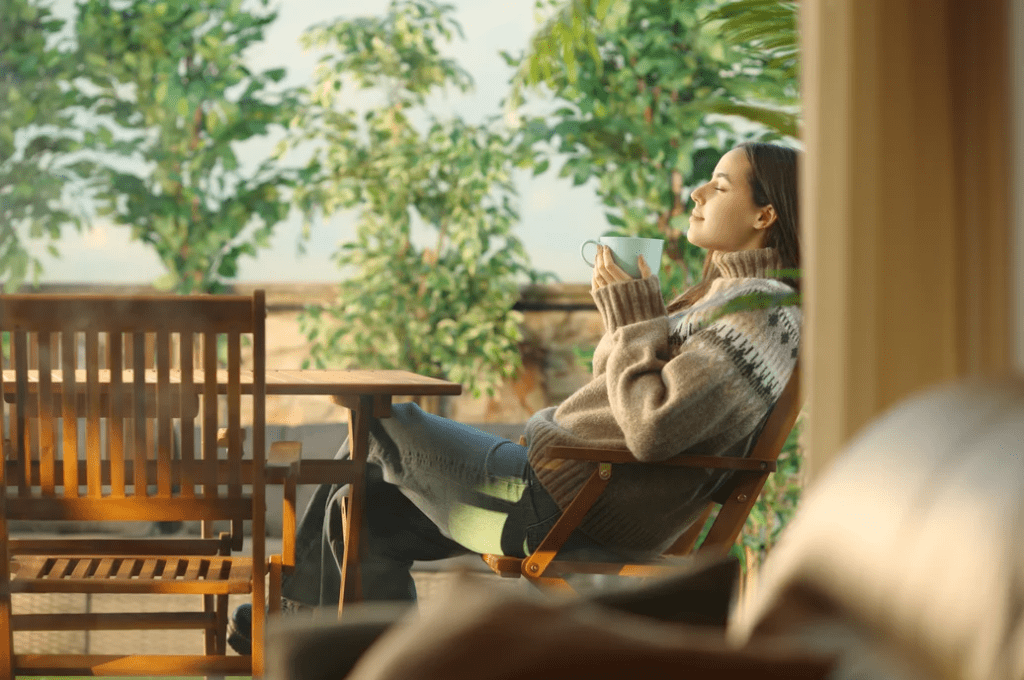
In my work, caring for self alongside caring about school related activities comes up regularly. In supporting people to make changes, discussing self-care/recovery as a competency seems to be helpful because there are knowledge, skill, and attitude components to making this work – and all three are irreplaceable.
Undoubtedly most of us in schools now have the knowledge about the importance of taking care of ourselves, but we need to build and utilise the skills – in terms of behaviours in actually carrying out our self-care/recovery strategies – to get any benefit. I’ve also been thinking a great deal recently about our third wheel here – what are those attitudes (or beliefs) that mean a whole bunch of us don’t actually prioritise putting these behaviours into practice?
In healthcare, self-care is talked about all the time, as it is in the mental health sector. The recovery literature (often featuring high profile roles like athletes and high pressure roles like pilots) doesn’t have anyone questioning if recovery is valuable, but instead, how best to get even better at proven recovery strategies. And then there’s educators … and we may have the knowledge (in fact most often we do) but we might not have either the behavioural habits and/or the supportive beliefs to back up the hard work of putting this knowledge into practice.
Some of these beliefs may include that self-care/recovery activities aren’t worth it, that we aren’t worth self-care/recovery activities, or that we don’t have time. It’s interesting to think about identifying what beliefs might be holding you back from finding ways to include a little more recovery in your week.
A recent Harvard Business Review article shared some interesting and practical suggestions to get started with science based recovery. They include:
- Detaching psychologically from work
- Taking microbreaks through the day
- Choosing and using your personal preferred recovery activities
- Considering mastery activities as part of recovery
- Shaping your environment to support your recovery (Meister et al., 2022)
Taking time to play around with self-care and recovery in Term 4 may support dancing over that December finish line, rather than falling over it … it could be worth a try!
Reference:
Meister, A. et al. (2022). How to recover from work stress, according to science. Harvard Business Review. https://hbr.org/2022/07/how-to-recover-from-work-stress-according-to-science
Melinda Phillips, Director/Principal Psychologist at Compassionate Schools.
School, team and individual services available to Australian schools and teachers; please feel free to contact us.